
Studio City Real Estate Market Update — 2026 Quarter-by-Quarter Outlook
Studio City 91604 and 91602 enter 2026 with a market structure that is more nuanced than either "the SFV is recovering" or "elevated rates are suppressing activity" captures. The specific forces that drive Studio City's market — entertainment industry employment cycles, the Carpenter Elementary catchment demand premium, the walkability-motivated buyer who is relocating from Silver Lake or Los Feliz, and the specific inventory constraint that Studio City's built-out residential grid and golden handcuff dynamics produce — operate on their own logic, and that logic produces a quarterly outlook that differs meaningfully from both adjacent SFV markets and the broader LA metropolitan picture.
This article maps the Studio City 91604 and 91602 market quarter by quarter through 2026 — what has already happened in Q1 and Q2, what the second half holds for buyers and sellers, and the specific Studio City variables that will determine whether the second half continues the measured recovery that has characterized the neighborhood's performance since the 2022–2023 correction.
1. 📈 Q1 2026 Review — The Early Spring Activation and What It Revealed
Q1 2026 in Studio City 91604 followed a pattern that has become characteristic of the post-correction Studio City market: a January that was slower than most sellers wanted, a February that was stronger than most buyers expected, and a March that confirmed the spring season had genuinely re-engaged.
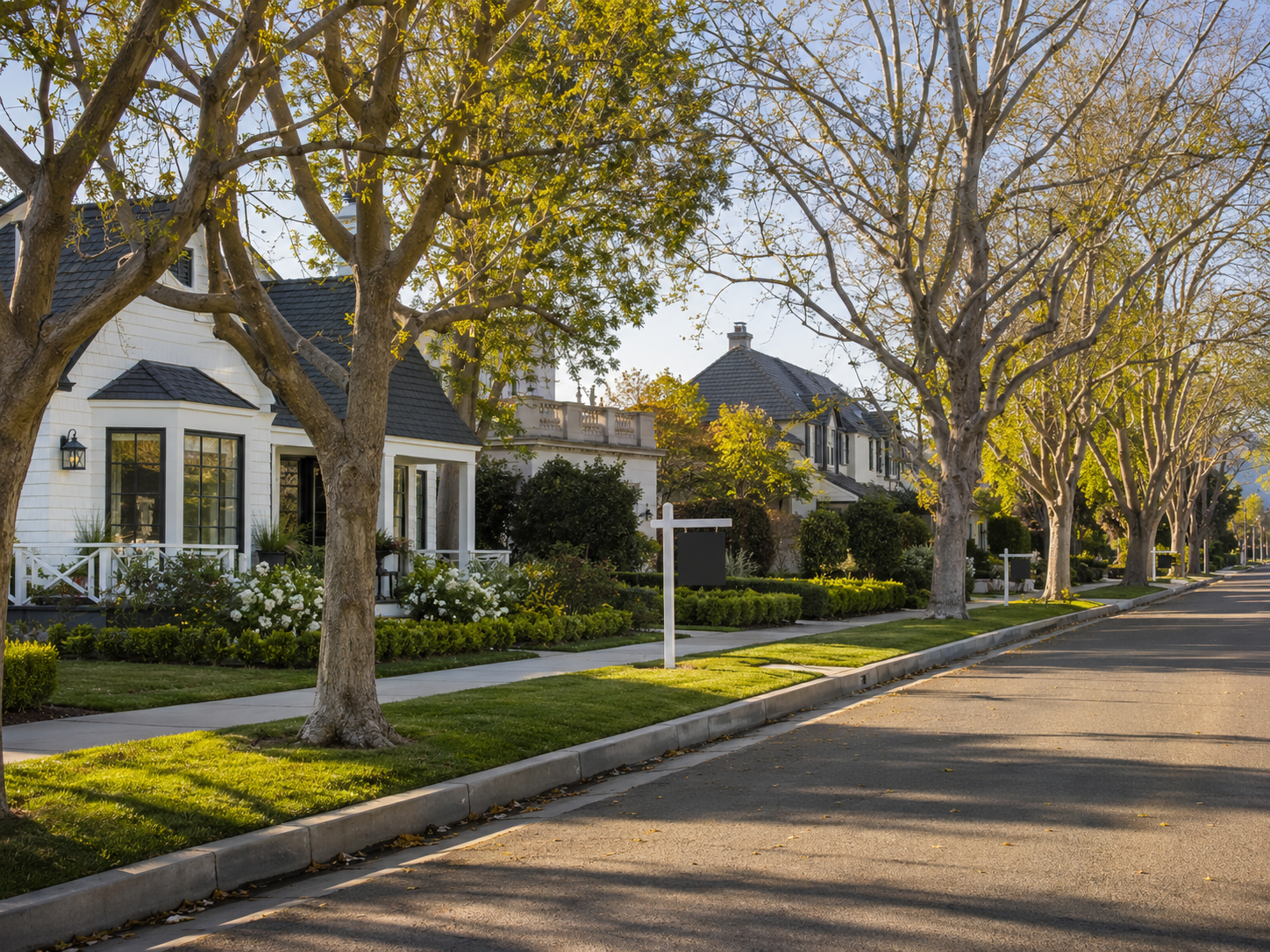 Studio City 91604's Q1 2026 market activation — earlier and stronger than most sellers anticipated, driven by a combination of pent-up buyer demand from fall 2025 and the entertainment industry pilot season professional activation that pulls production-adjacent buyers into the market ahead of the family-buyer spring wave.
January 2026 — the seasonal base:
January in Studio City is consistently the neighborhood's quietest month — not because buyer interest is absent but because the combination of post-holiday buyer reorientation, the period of maximum rate uncertainty (buyers waiting for the Fed's first 2026 guidance signals), and the sellers who chose not to list through the holidays produced the annual inventory and buyer activity trough.
Key January metrics:
- → 📊 Active listings: At or near annual low — most sellers who intended to list in spring had not yet launched; the January Studio City active listing count in most 91604 sub-neighborhoods ran below the 12-month trailing average
- → ⏰ Days on market: Extended for the few homes that were listed — correctly priced Q4 2025 carryover listings in $1.5M–$2.0M range averaged 45–65 days with buyer activity compressed by seasonal patterns
- → 🏦 Buyer activity: Concentrated in the qualified buyer pool that had been watching since fall 2025 — pre-approved, waiting for the right listing, and active before the spring competition built
February 2026 — the activation:
February produced the year's first genuine market shift in Studio City — pre-approved buyers who had been waiting through the holiday period re-engaged with purchasing intent rather than browsing intent. This shift was visible in the showing request data (up significantly week-over-week from late January) and in the offer-to-showing conversion rate (buyers who toured were making offers rather than continuing to evaluate).
The entertainment industry contribution: pilot season runs January through April in the television industry — the period when networks and streaming platforms greenlight new series and when production companies staff writing rooms, hire directors, and activate executive roles. The professional uncertainty of pilot season frequently suppresses buyer activity among entertainment industry households during January — and resolves into buyer activation in February when staffing decisions are made and income certainty returns.
Key February 2026 dynamics:
- → 📈 New listing activity: Sellers who had been preparing through December and January began launching — the first meaningful wave of Q1 inventory
- → 🏆 First multiple-offer situations: Well-prepared, correctly priced listings in the $1.55M–$1.95M Studio City 91604 core range began producing 2–4 offer situations in the second half of February — earlier than most sellers had anticipated
- → 📍 Sub-neighborhood variation: North-of-Ventura 91604 core streets activated first and most strongly; south-of-Ventura premium tier saw buyer engagement but at longer evaluation timelines reflecting the premium price tier's thinner buyer pool
March 2026 — spring confirmation:
March confirmed what February had signaled: the Studio City spring season was operating at or near full capacity, inventory was meaningfully below demand at the $1.5M–$2.0M tier, and sellers who launched in March with full preparation — professional photography, staging, design-forward renovation where applicable — were generating the competitive showing traffic and offer dynamics that characterize Studio City at its spring peak.
Notable March 2026 patterns:
- → 📉 Days on market compression: Well-prepared 91604 listings in core sub-neighborhoods averaging 12–21 days to contract — at the lower end of the market's recent historical range
- → 💰 List-to-close ratios: Closing prices averaging 99–103% of list price for correctly priced, well-prepared listings — sellers who launched at the market rather than above the market were consistently getting at or above asking
- → 🏫 Carpenter Elementary premium visible: Listings with verified Carpenter Elementary catchment assignments consistently generating more first-week showings and stronger offer competition than comparable listings outside the catchment in the same price range
2. 📊 Q2 2026 — Current Conditions and What's Driving Them
Q2 2026 is the peak Studio City market quarter — the period when the full complement of buyer motivations (school calendar families, entertainment industry buyers whose staffing decisions are confirmed, and walkability-motivated buyers whose searching often accelerates in spring) converge on inventory that remains constrained relative to demand.
The entertainment industry activation layer:
Studio City's Q2 market has a specific feature that separates it from comparable SFV markets: the entertainment industry production calendar creates a buyer activation pattern in the March–June window that doesn't exist in Sherman Oaks 91403, Tarzana 91356, or Woodland Hills 91364 at comparable scale.
- → 🎬 Pilot season resolution: By April–May, most pilot season staffing decisions are confirmed — writers, directors, and executives whose income certainty was pending in January now know their employment status for the next 12–24 months. This certainty activates the entertainment industry buyer pool with the urgency that income clarity produces.
- → 🎭 Production relocation: New series productions that commence in spring bring above-the-line talent who are relocating or upgrading housing proximate to Studio City's production campus cluster. This relocation demand is episodic but meaningful — a single large-scale series launch can introduce 5–15 above-the-line households into the Studio City buyer market within a 60-day window.
- → 💰 Bonus and backend income timing: The television industry's backend income — residuals, profit participation, and series-completion bonuses — often distributes in the first half of the calendar year, producing a capital availability spike among entertainment industry buyers that partially funds the large down payments and cash components that Studio City's higher price points require.
Current Q2 2026 market conditions by tier:
$1.4M–$1.8M (entry to mid-market, north of Ventura 91604):
- → 📊 Inventory: Below equilibrium — 3–6 weeks of supply at current absorption rate, below the 6–8 weeks that represents a balanced market
- → ⏰ Days on market (correctly priced, well-prepared): 10–22 days — the most competitive window in the annual cycle
- → 💰 List-to-close ratio: 99–104% — sellers at correct pricing consistently achieving at or slightly above list
- → 🔄 Buyer competition dynamic: First-time buyers and move-up buyers from Sherman Oaks 91403 competing with entertainment industry buyers who bring cash or high down payments — buyers who are not pre-approved at a very high standard are losing competitive situations regularly
- → 📌 Buyer strategy: Genuine pre-approval, 3–5% earnest money, flexible close timeline, inspection period shortened to 10–12 days rather than 17
$1.8M–$2.3M (mid to premium, north and south of Ventura 91604):
- → 📊 Inventory: Approaching equilibrium — 5–8 weeks of supply; competitive but buyers have slightly more evaluation time
- → ⏰ DOM: 18–35 days for correctly priced listings; 45–75 days for aspirationally priced listings
- → 💰 List-to-close: 97–101% for correctly priced listings
- → 🔄 Buyer dynamic: More deliberate evaluation — buyers at this tier have more options and take more time; multiple offers still occur on the best listings but are less automatic than at the entry tier
$2.3M–$3.5M+ (premium south of Ventura, Fryman Canyon area 91604):
- → 📊 Inventory: At or slightly above equilibrium — this thin buyer pool means supply and demand are less clearly imbalanced
- → ⏰ DOM: 30–65 days for correctly priced premium listings; extended DOM is common even for genuinely well-prepared listings at this tier
- → 💰 List-to-close: 93–98% — buyers have real negotiating room, sellers who launched above the current market are reducing
- → 🔄 Buyer dynamic: The strongest buyer conditions available in Studio City currently — patients buyers targeting this tier have genuine leverage and should use it
3. 🌡️ Q3 2026 Outlook — The Summer Pattern and the Studio City Difference
Q3 in Studio City is the market's moderation period — but the moderation is less severe than in most comparable SFV markets. Understanding why Studio City holds its summer activity level better than Tarzana 91356, Northridge 91324, or Woodland Hills 91364 helps both buyers and sellers calibrate their Q3 expectations correctly.
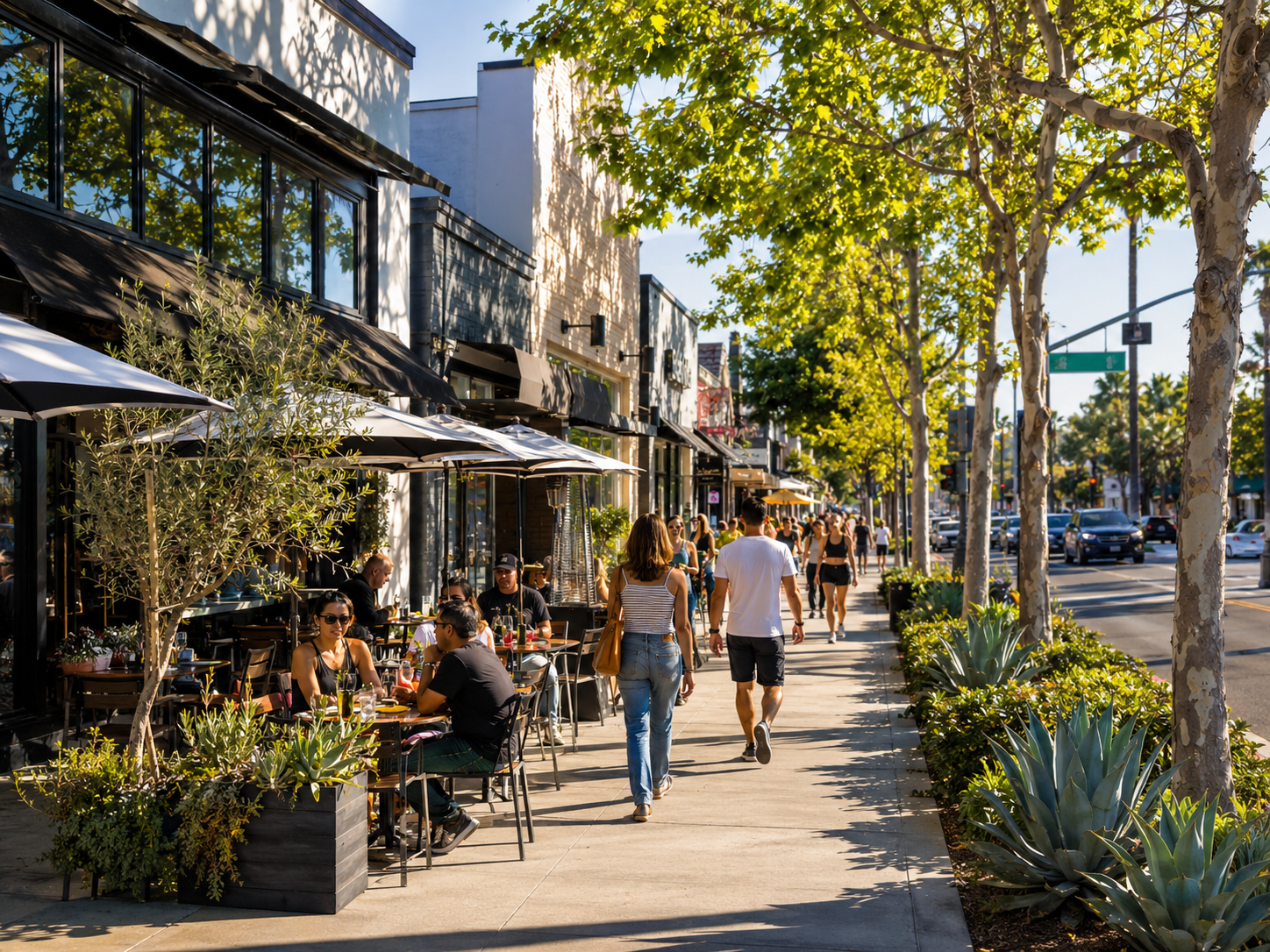 Studio City's summer market is moderated — but less severely than most SFV markets — because the walkability-motivated buyer pool that defines significant Studio City demand doesn't lose urgency when the school enrollment deadline passes. The entertainment industry production cycle also brings a mid-year buyer activation that keeps Q3 activity above what school-calendar-dependent markets experience.
Why Studio City's summer market is more resilient:
The summer demand trough in most SFV markets is caused primarily by the resolution of school-calendar family urgency — families who needed to close for fall LAUSD enrollment have either closed or deferred to the following spring, removing the largest single source of buyer urgency from the market. In Studio City, school-calendar family urgency is present — particularly among buyers targeting the Carpenter Elementary catchment — but it is a smaller share of total buyer motivation than in Northridge 91324 or Tarzana 91356.
Studio City's non-school-calendar buyer motivations that persist through summer:
- → 🎬 Production season demand: The summer and fall production season brings on-location and studio-based production activity in the Studio City cluster — and the production households who follow the work are year-round rather than school-calendar-driven in their housing decisions
- → 🚶 Walkability-motivated buyers: The buyer relocating from Silver Lake or Los Feliz for Studio City's pedestrian lifestyle is not timing their move to the school calendar — they're timing it to lease expirations, job transitions, and the point at which their Zillow browsing converts to genuine purchase intent, which has no seasonal pattern
- → 💰 Entertainment industry backend income: The residual and backend distributions that arrive in the second half of the calendar year fund some Studio City purchases that close in Q3 and Q4 — a Studio City-specific capital flow that doesn't have a counterpart in more standard SFV markets
- → 🏡 The Fryman Canyon buyer: The outdoor-priority buyer who specifically chose Studio City for the front-door trail access is not suppressed by summer heat in their buying motivation — they're planning trail access for fall and spring and buying in summer when competition is reduced
Q3 2026 market projection by tier:
$1.4M–$1.8M Q3 outlook:
- → ⏰ DOM: Expected to expand to 20–40 days as school-calendar urgency resolves and summer moderation sets in — meaningfully more evaluation time for buyers than Q2 provided
- → 💰 Pricing: Correctly priced listings continuing to close at 96–100% of list price; overpriced listings beginning to accumulate DOM that requires price reductions by August
- → 🎯 Seller strategy: Q3 sellers who are correctly priced and have proactive seller-paid buydown marketing will outperform those relying on spring-level demand without Q3 adjustments; don't carry Q2 pricing expectations into a Q3 market without acknowledging the seasonal shift
- → 🏦 Buyer strategy: More evaluation time means buyers can be more deliberate — tour more thoroughly, negotiate more carefully, and use the inspection period to full advantage rather than the compressed 10-day approach that Q2's competition required
$2.0M–$3.5M Q3 outlook:
- → 🏆 Best buyer conditions of the year: The premium Studio City tier has the least school-calendar urgency and the thinnest buyer pool — Q3 is when the patience that this tier's slow transaction pace requires is rewarded. Sellers with 45+ days of DOM by August are the most motivated sellers in the Studio City market; patient buyers who have been waiting for the right home at the right price will find their best conditions in this window.
- → 💰 Negotiating room: 5–10% below asking is achievable on extended-DOM premium listings in Q3 — combined with seller-paid buydown contributions, the effective buyer discount available in this tier during Q3 is the most significant available in Studio City's annual cycle
Summer practical guidance for Studio City sellers:
- → ✅ If listing in Q3: Price at or below midpoint of the defensible comp range — not the Q2 top-of-range that was achievable in multiple-offer spring conditions
- → ✅ Proactive seller-paid buydown marketing: The payment-sensitive share of Studio City's buyer pool — present but smaller than in Northridge or Tarzana — responds to buydown marketing in Q3 when urgency is lower and payment calculations are more deliberate
- → ✅ Morning and early afternoon showings only: Studio City July and August afternoons at 92–100°F produce showing experiences that don't serve the home well — all open houses and showing windows should be scheduled before 1 PM or after 6 PM
4. 🍂 Q4 2026 Outlook — The Fall Re-Engagement and Studio City's Second Season
Studio City's fall market is consistently the most underrated quarter of the year — and consistently the best buyer opportunity outside the premium summer tier. Understanding what drives fall activity in Studio City specifically helps both buyers who are timing purchases and sellers who are deciding whether to list before or after Thanksgiving.
The Studio City Q4 activation drivers:
- → 📺 Fall television production ramp: The fall production season in television — series that were greenlit in spring begin principal photography in summer and fall — creates employment certainty and contract closings among entertainment industry households that produce buyer activation in October and November. This is a Studio City-specific demand driver that doesn't exist at comparable scale in any other SFV market.
- → 💰 Year-end financial events: Year-end residual distributions, performance bonuses, and the portfolio rebalancing that high-income households execute in Q4 produces capital availability for Studio City's cash-component buyers. The above-the-line entertainment household who has been waiting for their annual bonus to fund the down payment on a Studio City home closes in October–November at a frequency that is meaningfully above the Studio City market baseline.
- → 🏫 Second enrollment window: Some LAUSD school programs have second-semester enrollment opportunities — and families who missed the fall primary enrollment window for Carpenter Elementary or other sought-after Studio City schools begin their search for Q4 close dates to establish school-enrollment residency before the next enrollment cycle.
- → 📉 Thinner competing inventory: The "spring is the right time to sell" narrative — while directionally correct for most SFV sellers — means that many Studio City sellers who have been waiting for the "right time" launch in spring and are not available in fall. The reduced competing inventory in Q4 gives correctly priced fall listings a competitive differentiation advantage they wouldn't have in March.
Q4 2026 market projection:
October–November 2026:
- → 📈 Demand re-engagement: The most significant Q4 demand activation that Studio City's fall market produces — the entertainment industry production ramp, year-end financial events, and the motivated buyers who missed spring all converging into a 6–8 week window
- → ⏰ DOM for correctly priced listings: 18–35 days — approaching Q2 conditions for the best-prepared fall listings; meaningfully shorter than the August summer trough
- → 💰 List-to-close ratio: 96–101% for correctly priced fall listings at all tiers — fall is a genuine selling opportunity for Tarzana sellers who missed spring
- → 🎯 The seller who benefits most: Original-condition and partially updated listings that are correctly priced for condition — the fall Studio City buyer pool includes the renovation-ready buyer who is comfortable with a longer escrow while permits and contractor timelines are managed
December 2026:
- → 📉 Market slowdown: Post-Thanksgiving deceleration is real and consistent — buyer attention competes with holiday logistics, year-end travel, and the psychological shift to "January is when I'll get serious" that compresses December activity meaningfully
- → 🎯 Who should list in December: Only sellers with genuine timeline requirements — estate sales, relocation deadlines, or financial event timing. Voluntary sellers are generally better positioned to launch in January (the Q1 base period) or wait for the February activation.
5. 🔮 The 2026 Studio City Annual Forecast — Key Variables and Scenarios
The quarter-by-quarter picture assembles into an annual market forecast that is directionally consistent but scenario-dependent on the rate environment, the entertainment industry employment outlook, and the specific inventory dynamics that will define Studio City's second half.
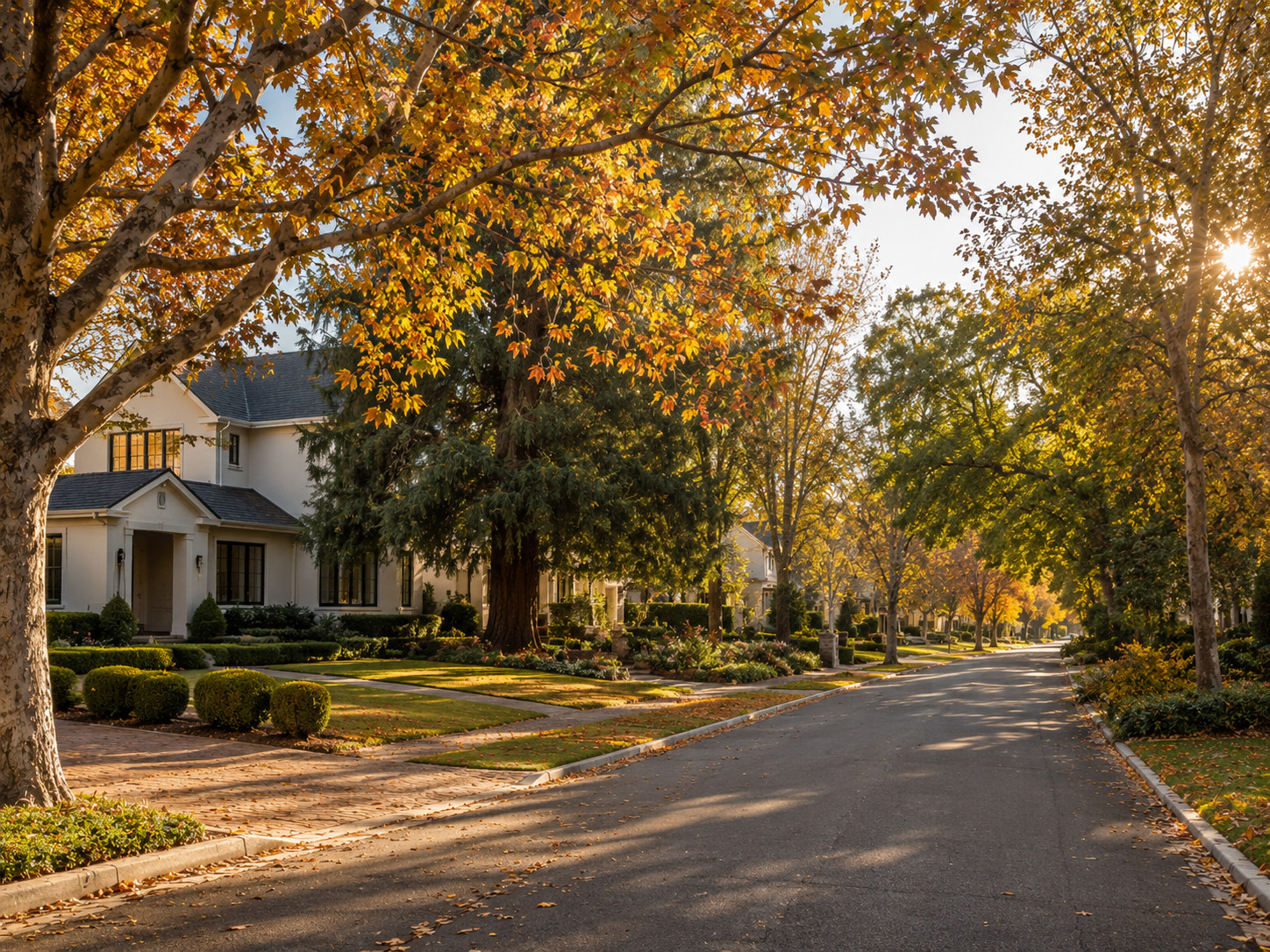 Studio City's south-of-Ventura premium tier — the sub-neighborhood where the strongest buyer conditions exist in 2026's second half, with prices 5–12% below 2022 peak, extended DOM on correctly priced listings, and genuine negotiating room for well-prepared buyers targeting this tier during the Q3–Q4 window.
The base case scenario (most likely):
- → 📊 Rate environment: 7.0%–7.5% for most of 2026 with some moderation toward 6.5%–7.0% in Q4 — not sufficient to dramatically expand the qualified buyer pool but not accelerating the compression that suppressed 2023 volume
- → 📈 Price trajectory: Studio City 91604 volume tier ($1.5M–$2.1M, north of Ventura) ends 2026 approximately 3–5% above January 2026 levels — within 2–5% of 2022 peak for renovated homes
- → 📊 Volume: Transaction count approximately 5–10% above 2025 levels — modest recovery in the number of transactions driven by sellers who have adapted to the rate environment and buyers who have normalized the payment math through buydown structuring
- → 🏆 Best buyer window: Q3 premium tier ($2.0M–$3.5M south of Ventura) for buyers willing to wait out the summer moderation; Q4 across all tiers for buyers who prefer lighter competition over peak spring urgency
The positive rate scenario (rates moderate to 6.0%–6.5%):
If rates moderate meaningfully before Q4 2026 — through Fed action or bond market dynamics — Studio City would experience:
- → 📈 Expanded buyer pool: The entertainment industry households who are technically qualifying at 7.0% but are payment-stretched would become comfortably qualifying — adding supply-absorption capacity at the $1.8M–$2.5M tier specifically
- → 📈 Price acceleration: The south-of-Ventura premium tier, where below-peak pricing persists and buyer demand is most rate-sensitive, would recover most dramatically — potentially closing the 5–12% below-peak gap within a single quarter of rate relief
- → ⚠️ Buyer urgency: Rate anticipation purchasing — buyers who enter the market specifically because they fear rate relief will price them out — could produce a demand spike that creates Q4 2026 conditions resembling Q1–Q2 2022
The negative rate scenario (rates rise above 8.0%):
- → 📉 Volume compression: Transaction count would fall further from 2025 levels — sellers would hold, buyers would defer, and the golden handcuff dynamic would intensify
- → 📊 Price stability rather than decline: Studio City's entertainment industry cash-buyer presence would moderate price declines relative to more rate-dependent SFV markets — but the Studio City financed buyer pool would compress meaningfully
- → 🏆 Enhanced buyer opportunity: Premium tier buyers with significant cash or equity who don't need financing would find this the most favorable buying conditions since 2019
🚫 What NOT to Overdo
Don't apply the SFV-wide market narrative to Studio City pricing decisions. The broader San Fernando Valley market conditions — which aggregate Northridge 91324, Reseda 91335, Canoga Park 91304, West Hills 91307, and Chatsworth 91311 alongside Studio City 91604 — produce a market narrative that systematically underestimates Studio City's premium positioning and recovery trajectory. Studio City's walkability premium, entertainment industry buyer concentration, and Carpenter Elementary catchment demand driver are not present in the SFV-wide averages. Sellers who price based on SFV-wide data rather than Studio City sub-neighborhood-specific comp data will consistently underprice. Buyers who apply SFV-wide correction narratives to Studio City will consistently expect more negotiating room than the specific Studio City market provides.
Don't list in Q3 without adjusting for the seasonal shift from Q2 conditions. The Q2 multiple-offer dynamics that produced 103% of list price closes in April and May do not continue into August. Studio City sellers who list in July or August at Q2 pricing levels — without adjusting for the seasonal moderation — consistently accumulate DOM that transfers negotiating leverage to buyers and produces lower net proceeds than a correctly calibrated Q3 launch would have delivered. Know the seasonal adjustment, apply it, and don't confuse Q2's market energy with Q3's reality.
Don't confuse the entertainment industry production calendar with the residential real estate calendar. The entertainment industry's January through April pilot season activation, its summer production season, and its fall series launch — all of which contribute to Studio City's specific quarterly market patterns — do not operate on the same timeline as the residential real estate seasons that are common knowledge in other SFV markets. Studio City sellers and buyers who understand the entertainment industry calendar overlay will make better-timed decisions than those applying generic SFV seasonal advice.
Don't treat the Carpenter Elementary catchment as uniformly distributed across Studio City 91604. The Carpenter Elementary catchment is address-specific — and the demand premium it generates is real, measurable, and concentrated in the specific streets within the catchment boundary. Buyers who assume "Studio City" means Carpenter Elementary access are consistently surprised during school verification. Sellers outside the Carpenter catchment who price their homes as if the catchment premium applies to them are consistently overpricing. Verify, confirm, and use the catchment status accurately in both buyer search and seller pricing.
Don't overlook the Studio City 91602 sub-market when evaluating 91604 market conditions. Studio City 91602 — the smaller northern section approaching Cahuenga Pass and Universal City — has a meaningfully different market character and comp ceiling than the core 91604 residential neighborhoods. Buyers who search across both zip codes without understanding the geographic and character distinction will make comparisons that mislead their offer positioning. Sellers in 91602 who use 91604 south-of-Ventura premium comps for pricing will overprice consistently.
🏠 Real-World Scenario — Studio City 91604
A seller in Studio City 91604 north of Ventura had been watching Q2 2026's market and expected to launch in late May at $1.95M — the high end of the defensible comp range for their specific sub-neighborhood in the spring peak. A relocation timeline had pushed their actual launch to late July.
We ran the seasonal adjustment analysis. The same home in late May at $1.95M would likely have produced first-week showings of 10–14 and multiple offers within two weeks. The late July market in Studio City's $1.8M–$2.0M range was projected to produce 4–8 first-week showings with a 25–40-day DOM before the right offer appeared.
We recommended three adjustments for the Q3 launch: price at $1.875M — the midpoint rather than the top of the defensible range — to generate the showing activity that the seasonal context reduced; add a proactive 2-1 seller-paid buydown at $22,000 in the listing marketing to activate the payment-sensitive buyers whose engagement rate is higher in the less competitive Q3 environment; and schedule all showings and the first open house in morning windows before 12 PM.
Result: launched July 22. First week: 7 showings — below the spring equivalent but above the Q3 no-adjustment projection. Offer by day 19 at $1.87M with the $22,000 buydown included. Counter-accepted at $1.885M. DOM: 21 days.
The Q3 Studio City seller who adapted strategy to the season — pricing adjustment, buydown deployment, morning showing windows — produced a 21-day outcome that the sellers who launched Q2 homes in Q3 without adjustment were not producing at 50–65 days.
🏠 Real-World Scenario — Studio City 91604
A buyer targeting Studio City 91604 south of Ventura in the $2.2M–$2.7M range had been searching since November 2025 — eight months, 19 homes toured, two offers submitted and lost (both above asking in Q2 spring competition), one withdrawn during inspection when geological concerns surfaced on a Fryman Canyon-adjacent property.
The Q3 2026 market shift was the context that changed their experience. We identified a south-of-Ventura 91604 home at $2.49M with 58 days of DOM — a 4-bedroom, 2,600 sq ft on a 12,000 sq ft lot with canyon views, 2021 renovation, and a seller who had been watching the Q2 multiple-offer market pass by without their home attracting competitive attention.
The extended DOM reflected a Q2 launch at a price $180,000 above where the current market supported — the seller had priced for Q2's south-of-Ventura best-case and discovered instead that the premium tier's thinner buyer pool combined with their above-market pricing produced zero offers in 58 days.
We offered $2.28M with a 25-day close — $210,000 below asking, approximately 8.4% below list. The seller's agent called within 4 hours. After two rounds of counter, accepted at $2.335M.
The buyer who had been losing in Q2 by competing against the market won in Q3 by working with it — targeting the tier and the DOM profile where 2026's best buyer conditions were concentrated, offering decisively when the comp analysis supported the offer level, and closing at $155,000 below a list price the seller had held for two months.
❓ FAQ
Is now a good time to buy in Studio City in 2026? The answer depends on tier and timing. ✓ Now (Q2/early Q3) in the volume tier ($1.4M–$1.9M): Prices are within 3–5% of 2022 peak for renovated homes — this tier has recovered. Buying now at market means paying near-peak prices. It is a sound equity-building decision for a 5–7-year hold, but not a below-market-entry opportunity. ✓ Q3 2026 in the premium tier ($2.0M–$3.0M south of Ventura): The strongest buyer conditions available in Studio City currently — 5–12% below peak, extended DOM listings with genuine negotiating room, and sellers who have been waiting for months and are genuinely motivated. Patient buyers targeting this tier in Q3 are finding the best conditions since 2019.
What is driving Studio City home prices in 2026? Primary drivers: ✓ Entertainment industry employment stability — the streaming consolidation period has stabilized after the 2023–2024 disruption, with production activity at a level that supports buyer confidence among above-the-line professionals. ✓ Constrained inventory from golden handcuff dynamics keeping long-term owners in place. ✓ Walkability-motivated buyer demand that doesn't require a specific seasonal trigger. ✓ Carpenter Elementary catchment premium maintaining specific address-level demand. Primary headwinds: ⚠️ Elevated mortgage rates compressing the qualified financed buyer pool. ⚠️ Premium tier ($2.0M+) buyer pool thinness producing extended DOM and below-peak pricing.
How many homes are for sale in Studio City right now? Active inventory in Studio City 91604 and 91602 fluctuates by quarter and price tier. For current active listing counts, days on market averages, and absorption rates specific to your target sub-neighborhood and price tier — contact us directly for a current market snapshot. General guidance: the $1.4M–$1.9M tier typically has 8–18 active listings at any given time in Q2; the $2.0M–$3.5M tier has 5–12. These numbers shift meaningfully week-to-week during the spring peak and summer moderation.
What is the average days on market in Studio City 91604? Days on market vary significantly by tier, condition, and season. ✓ Q2 peak (April–May), volume tier, correctly priced and renovated: 10–22 days. ✓ Q3 (July–August), volume tier, correctly priced: 22–42 days. ✓ Q4 (October–November), volume tier, correctly priced: 18–35 days. ✓ Premium tier (south of Ventura, $2.0M+) in any season: 35–75 days for correctly priced listings. Homes priced above the defensible comp range at any tier or season accumulate DOM at rates 2–3x the correctly priced equivalents.
Is Studio City a buyer's or seller's market in 2026? Depends on tier. ✅ $1.4M–$1.9M north of Ventura: Seller-favorable in spring (Q2), transitioning to balanced in Q3–Q4. ⚠️ $1.9M–$2.3M: Approaching balanced — active competition in spring, buyer-friendly conditions emerging in Q3. ✅ $2.3M–$3.5M south of Ventura: Buyer-favorable — the best buyer conditions in Studio City, with below-peak pricing, extended DOM, and genuine negotiating room in Q3 and Q4 specifically.
How does the Carpenter Elementary catchment affect Studio City prices? Homes with verified Carpenter Community Charter School elementary assignment command a measurable premium over otherwise comparable Studio City homes outside the catchment — the premium ranges from $80,000–$200,000 depending on comparison home quality and proximity. The catchment is address-specific within 91604 — being "in Studio City" does not mean Carpenter Elementary access. Verify through lausd.net/schoolfinder for every address being seriously considered. The catchment premium contributes to price stability in its coverage area — reduced buyer willingness to negotiate on homes within the catchment versus comparable homes outside it.
When is the best time to sell a home in Studio City in 2026? For most Studio City sellers: ✓ Best window already used: The Q2 peak (April–May) produced the year's strongest multiple-offer conditions and highest list-to-close ratios for correctly priced listings. ✓ Second best available: Q4 October–November — fall re-engagement driven by entertainment industry production season, year-end financial distributions, and reduced competing inventory produces conditions meaningfully better than Q3 summer. ✓ If listing in Q3: Adjust pricing to midpoint rather than top of range; add proactive seller-paid buydown marketing; morning-only showings. ✓ Avoid: December launches (holiday compression) and February launches without preparation complete (inventory wave washes out early February momentum by March).
🎯 Bottom Line
Studio City's 2026 market tells a story with two distinct chapters depending on where in the neighborhood you're operating. The north-of-Ventura volume tier in 91604 — the $1.4M–$2.1M range that represents the majority of Studio City residential transaction activity — is a seller-favorable market in Q2, transitioning to a balanced market in Q3, and re-engaging as a seller-supported market in Q4. Prices are within 3–6% of 2022 peak for renovated homes. The opportunity for buyers in this tier is not in the pricing — it's in the seasonal timing, the offer structure, and the patience to wait for a correctly priced correctly timed listing rather than overpaying in Q2's competition.
The south-of-Ventura premium tier in 91604 — the $2.0M–$3.5M+ range that includes the Fryman Canyon area, the hillside positions, and the largest lots in Studio City's residential inventory — is the genuine buyer opportunity in 2026. Prices 5–12% below 2022 peak, DOM averaging 35–75+ days on correctly priced listings, sellers who have been watching months of market without offers, and Q3 conditions where competition is lowest and negotiating room is highest. The patient buyer with a 5-year hold horizon and the financial depth to access this tier is buying at one of the more favorable entry points Studio City has offered since the pre-pandemic baseline.
At Parkway Estate Properties, we track Studio City 91604 and 91602 market conditions alongside our core SFV coverage — Sherman Oaks 91403/91423, Encino 91316/91436, Tarzana 91356, Woodland Hills 91364/91367, and Northridge 91324/91325. Every buyer and seller conversation we have in Studio City is grounded in the current sub-neighborhood-specific data — not the SFV-wide averages that systematically misrepresent what is actually happening at the street level in Studio City's distinct sub-markets.
📩 Want the Current Studio City Market Data for Your Specific Address or Price Point?
Tell us your sub-neighborhood, your price range, and whether you're buying or selling — and we'll pull the current comp data, the active inventory analysis, and the Q3/Q4 strategy that fits your specific situation.
Contact Liana Shersher at Parkway Estate Properties: 📧 liana@parkwayestate.com · 📞 (818) 208-5881 · 🌐 parkwayestate.com 15021 Ventura Blvd., Ste. 510, Sherman Oaks, CA 91403
About the Authors
Liana Shersher Liana Shersher is a licensed real estate agent with Parkway Estate Properties Inc. and an Accredited Buyer's Representative (ABR) serving the San Fernando Valley — with a focus on Sherman Oaks, Encino, Tarzana, Woodland Hills, and Northridge (DRE# 02164224). Liana guides first-time homebuyers through every step of the purchase, from the first showing to the keys in hand, and represents move-up and repeat buyers across the Valley. For sellers, she builds the pricing and marketing strategy that positions a home to sell for top dollar, fast. Buyers and sellers work with Liana for clear communication, sharp local knowledge, and an agent who treats their goals like her own.
Roman Shersher Roman Shersher is the broker-owner of Parkway Estate Properties Inc. and a real estate investor with 18 years of experience in the San Fernando Valley (DRE# 01855095). Roman has personally led or co-led renovations on dozens of properties across the Valley, including recent projects in Northridge (91324) and Woodland Hills (91364). That hands-on renovation and investment experience shapes every pricing conversation and days-on-market strategy at Parkway — sellers get a realistic read on what improvements actually return at resale, and buyers get an expert eye on a home's true condition and upside.
Parkway Estate Properties, Inc. 15021 Ventura Blvd., Ste. 510, Sherman Oaks, CA 91403 · (818) 208-5881 · parkwayestate.com · Broker License #: 01873092 Equal Housing Opportunity. Information herein is general and not legal, tax, or financial advice. Consult qualified professionals for your specific situation.
Categories
Recent Posts










Broker | Realtor ® License ID: 01873092
+1(818) 208-5881 | info@parkwayestate.com