
Best Restaurants and Shopping in Reseda — A Complete Guide
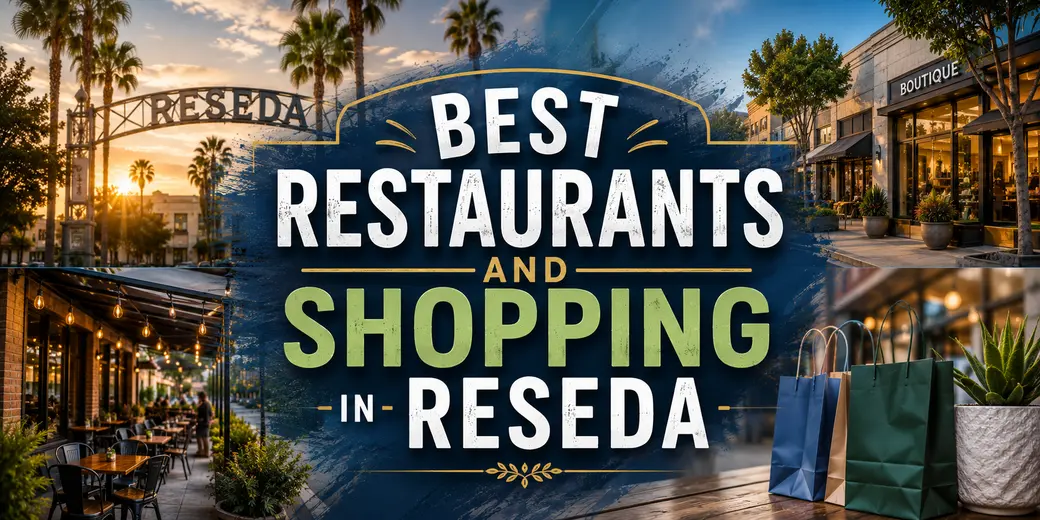
Reseda 91335's restaurant and shopping scene is one of the most genuinely distinctive in the San Fernando Valley — not because it is the most polished, the most Instagram-optimized, or the most similar to the Westside food culture that SFV lifestyle guides often use as their reference point, but because it is the most authentically culturally specific of any central Valley neighborhood at any price point. The "Little Lima" designation that Reseda Boulevard has earned is not marketing language — it reflects the specific density of Peruvian cevicherias, Filipino carenderias, Mexican taquerias, Central American comedores, and Korean and Vietnamese restaurants that have accumulated on this corridor over decades of immigrant community investment, producing a dining culture that is genuinely irreplaceable and genuinely excellent in the ways that matter most: the food is real, the prices are honest, and the experience is the kind that food-serious people travel to rather than stumble upon.
This guide maps the Reseda dining and shopping landscape honestly — the food corridor that is the neighborhood's strongest asset, the commercial infrastructure that serves daily life, and the honest gaps where Reseda residents drive to adjacent Tarzana 91356, Encino 91316, or Sherman Oaks 91403 for the needs the corridor doesn't fully serve. For anyone considering a move to Reseda or looking to explore what the neighborhood actually offers, this is the complete, unvarnished picture.
1. 🍽️ Peruvian Cuisine — Reseda's Culinary Crown
The Peruvian restaurant concentration on and around Reseda Boulevard in 91335 is the most significant single food destination in the central San Fernando Valley — and among the most significant in Los Angeles, a city with one of the largest Peruvian populations outside Lima itself. The quality and authenticity of what Reseda's Peruvian restaurants produce reflects the community that created them: the owners, chefs, and kitchen staff are not approximating Peruvian cuisine for an outside audience — they are cooking for their own community, which produces a quality and authenticity standard that destination restaurants charging three times the price rarely match.
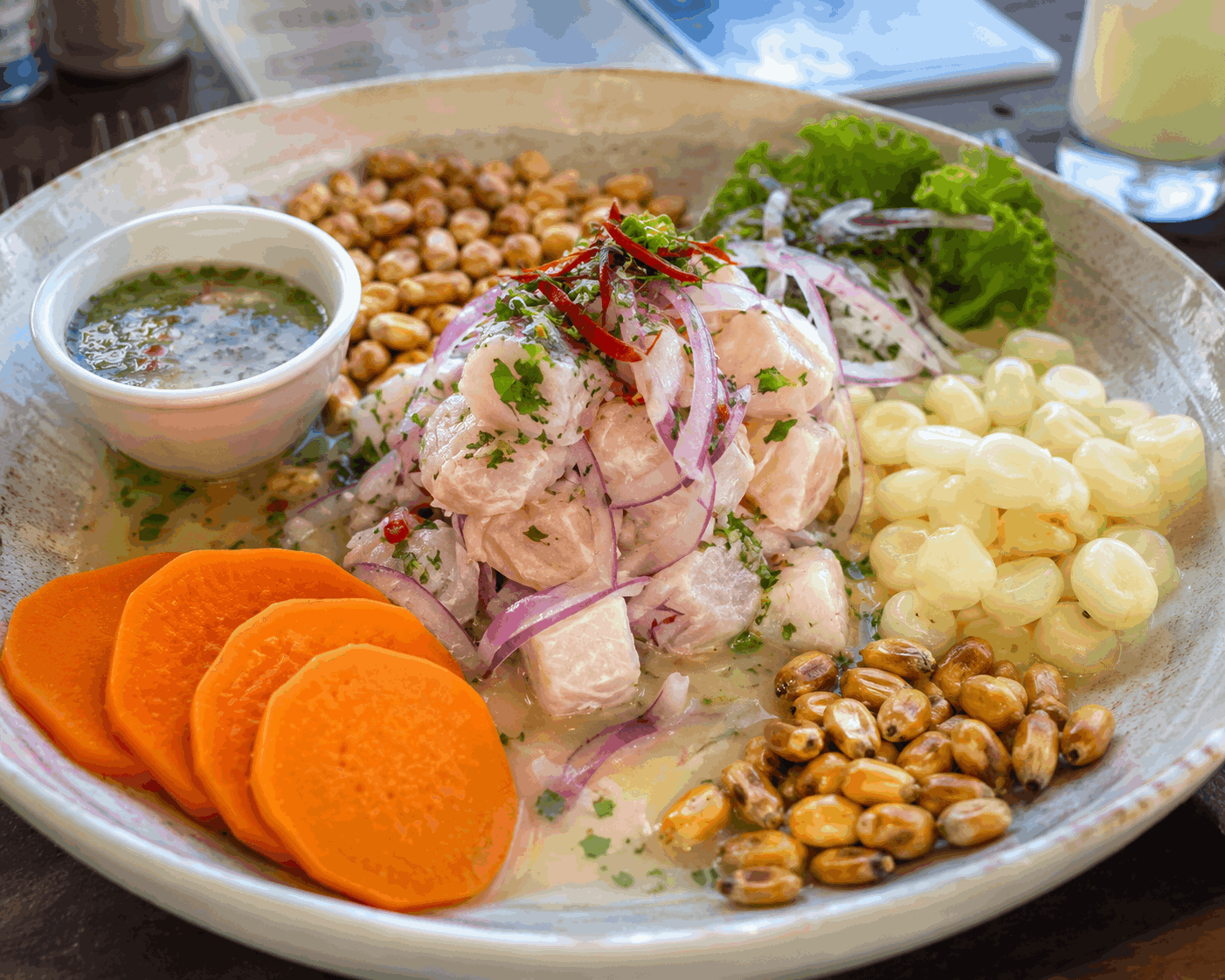 Reseda's Peruvian cuisine — the authentic ceviche, lomo saltado, and seafood dishes that the Reseda Boulevard concentration of Peruvian restaurants produces for the neighborhood's Peruvian community and for the broader food-engaged population that has discovered what Reseda's food corridor delivers. At prices that consistently undercut comparable quality elsewhere in Los Angeles, Reseda's Peruvian dining is the central Valley's most genuine culinary destination.
What Reseda's Peruvian restaurants deliver:
🐟 Ceviche: The raw fish in leche de tigre (tiger's milk — the citrus-cured marinade) that is Peruvian cuisine's most iconic dish. Reseda's cevicherias produce the specific style that varies by region within Peru: the Limeño style (classic white fish, extra leche de tigre, sweet potato, choclo corn), the Nortena style (different regional preparation traditions), and the mixed seafood varieties that incorporate octopus, shrimp, and scallops alongside white fish.
- → ✅ What to order: Ask for the leche de tigre shot (the concentrated citrus-marinated liquid from the ceviche preparation) served separately — in Peruvian food culture, this is both a digestive and a cure-all, and in Reseda's restaurants it is offered freely to regulars who know to ask
🥩 Lomo saltado: The Peruvian stir-fry that combines tenderloin strips with tomato, onion, soy sauce (the Chinese-Peruvian chifa influence), and French fries — served with rice. The specific umami depth that the wok-seared combination produces is one of Peruvian cuisine's most satisfying dishes and one of Reseda's Peruvian restaurants' most reliably excellent preparations.
🐔 Pollo a la brasa: Peruvian rotisserie chicken — marinated overnight in a specific herb and spice blend (aji panca, cumin, oregano, garlic), slow-roasted over charcoal. The Reseda versions are consistently excellent, accompanied by aji amarillo (yellow pepper) and huancaina (cheese and pepper cream) dipping sauces.
🍲 Sopa de mariscos / Parihuela: Peruvian seafood stew — the restaurant version of the family-style fish soups that define weekend dining in Peruvian households. Rich, saffron-colored, seafood-dense, with rice served alongside.
🌽 The accompaniments: Choclo corn (large-kernel Peruvian corn with a different texture and sweetness from standard corn), cancha (toasted corn kernels with a specific crunch), causa (cold potato cake with tuna or chicken filling), and anticuchos (beef heart skewers grilled over charcoal) — the specific side and appetizer culture that makes a Reseda Peruvian meal complete.
Pricing context: Most Reseda Peruvian restaurant ceviche orders: $12–$18. Lomo saltado: $16–$22. Pollo a la brasa half: $14–$18. The price-to-quality ratio is consistently extraordinary for Los Angeles.
2. 🍜 Filipino Cuisine — The Neighborhood's Second Great Food Tradition
The Filipino restaurant and food market presence in Reseda 91335 represents the second pillar of the neighborhood's cultural food identity — a community whose cooking traditions are less well-known to non-Filipino Angelenos than Peruvian or Mexican cuisine but whose depth, flavor complexity, and community significance is equally genuine.
The Filipino food experience in Reseda:
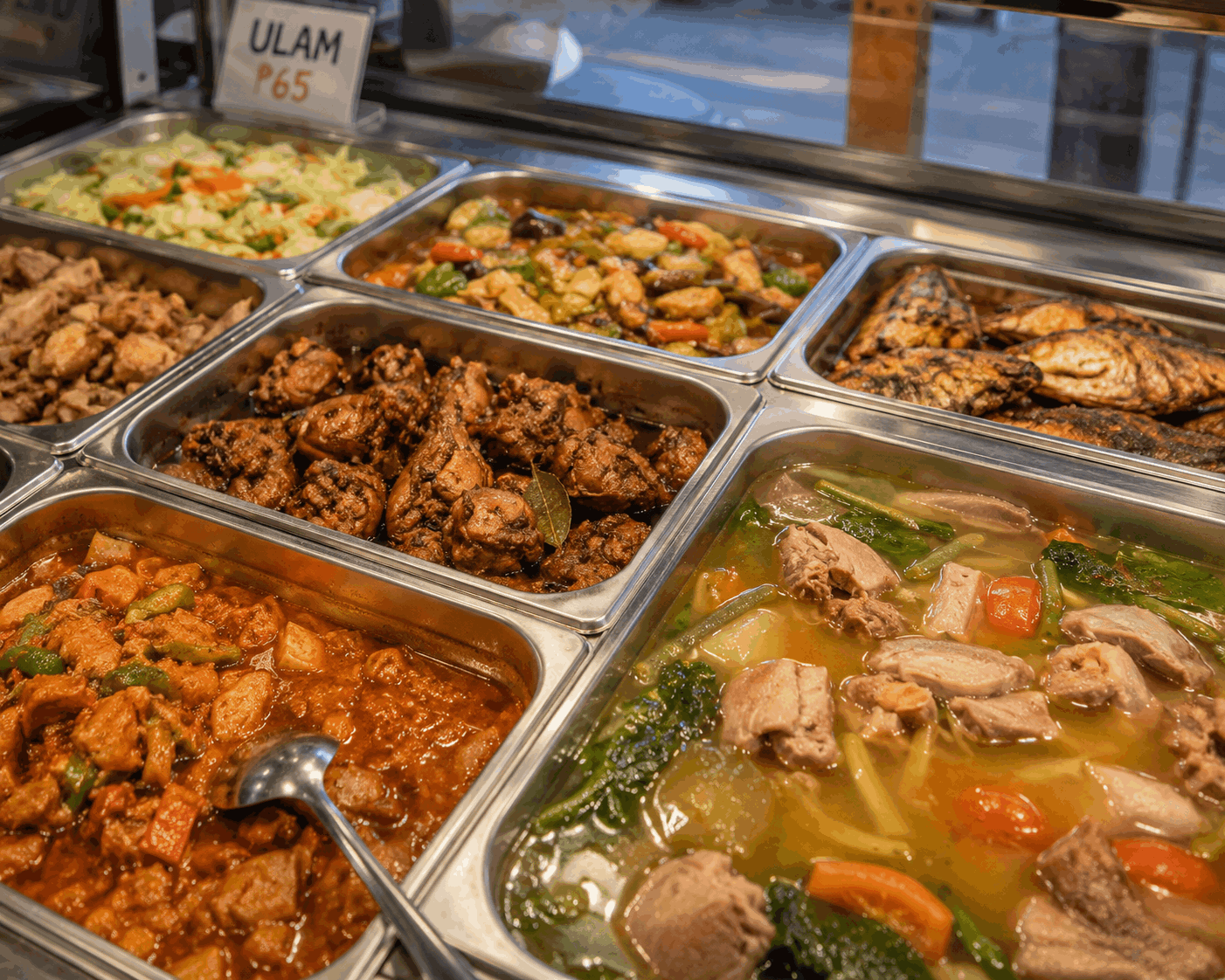
🍖 Adobo: The national dish of the Philippines — pork, chicken, or both braised in a vinegar, soy sauce, garlic, and bay leaf combination that produces a complex, tangy, deeply savory result unlike any other culinary tradition's similar preparations. Reseda's Filipino restaurants and carenderias produce adobo in multiple regional styles — the drier Visayan style, the saucier Tagalog style, the coconut milk-enriched Bicolano version.
🥘 Sinigang: Sour tamarind-based soup with pork, shrimp, or fish — the Filipino soup that most consistently surprises first-time Filipino food explorers with the specific combination of sourness, richness, and vegetable depth that the tamarind base produces. The pork sinigang version (belly or ribs) is Reseda's most commonly available; the shrimp version has a lighter, more delicate character.
🍛 Kare-kare: Oxtail and vegetables in a peanut-based sauce — served with bagoong (fermented shrimp paste) stirred in tableside. One of the most labor-intensive Filipino dishes and one that Reseda's Filipino restaurants produce with the specific complexity that the long-braised oxtail and house-made peanut sauce combination requires.
🐷 Lechon kawali / Crispy pata: Deep-fried pork belly and deep-fried pork leg — the specific texture of crackling skin over tender meat that defines Filipino pork preparations and that Reseda's restaurants produce consistently.
Turo-turo and carenderias:
Some of Reseda's most authentic Filipino food is found not in table-service restaurants but in the turo-turo format (literally "point-point" — the cafeteria-style steam table service where customers point at the prepared dishes they want). These establishments serve the day's prepared dishes at working-family prices ($8–$14 per plate) in the format that Filipino households actually eat at home — the specific authenticity that full-service restaurant kitchens often scale away from.
3. 🌮 Mexican, Central American, and Pan-Latin Dining
Beyond the Peruvian and Filipino anchors, Reseda's Reseda Boulevard corridor and the surrounding commercial streets host a diverse array of Mexican and Central American restaurants that reflect the specific regional traditions of the community's immigrant families rather than the generalized Tex-Mex or California Mexican food that dominates less culturally specific neighborhoods.
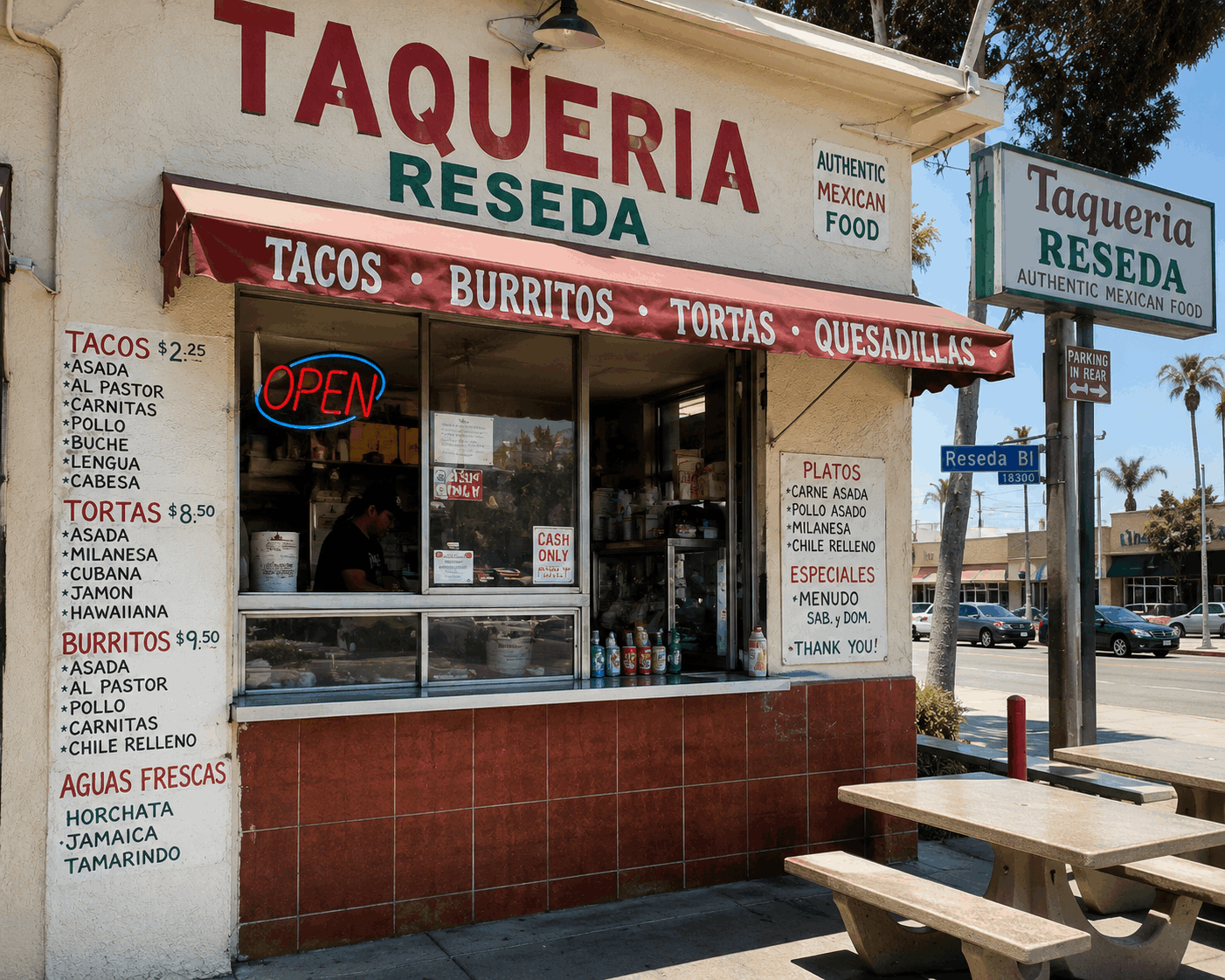 Reseda's regional Mexican and Central American food corridor — the taquerias, pupuserias, and comedores that reflect the specific regional traditions of the community's immigrant families. Working-family pricing, authentic regional preparations, and the commercial character of a genuine community food corridor rather than a destination dining district.
Regional Mexican dining:
- → 🌮 Taquerias: The specific taqueria culture of Reseda reflects the Oaxacan, Guerrerense, and Jaliscense traditions of the community's Mexican immigrant population — corn tortillas made in-house at the better establishments, regional salsa preparations that differ from the standardized salsa roja that non-community Mexican restaurants default to, and the specific cuts (cabeza, lengua, tripa, al pastor) that mark a taqueria as authentic to its community rather than adapted for an outside audience
- → 🫔 Tamales: Masa-based preparations ranging from the standard corn husk tamale to the banana-leaf-wrapped oaxaqueño style and the specific regional variations that reflect the diverse Mexican regional traditions present in the Reseda community
- → 🍲 Soups and stews: Birria (goat or beef stew, the original Jalisco version rather than the recent birria taco trend), menudo (tripe soup, primarily a weekend morning preparation), and pozole (hominy soup with pork or chicken) available from the carnicerías and small restaurants that serve the community's weekend morning meal tradition
Central American — Salvadoran:
Reseda's Salvadoran community has produced a pupusería presence on the corridor — the El Salvadoran corn masa stuffed flatbreads (pupusas) filled with chicharrón, cheese, refried beans, loroco, or combinations, served with curtido (fermented cabbage slaw) and a mild tomato salsa. At $2–$4 per pupusa, the specific combination of preparation labor and price produces a value proposition that Reseda's Salvadoran restaurants deliver consistently.
4. 🛒 Grocery Markets and Cultural Shopping
The shopping infrastructure in Reseda 91335 reflects the same authentic community orientation as the food corridor — with ethnic grocery markets, cultural product retailers, and the specific working-family commercial services that serve the neighborhood's actual population.
Cultural grocery markets:
🛒 Latin American grocers:
The Reseda Boulevard and cross-street corridor hosts multiple Latin American grocery markets providing the specific ingredients — aji amarillo paste, choclo corn, Peruvian dried peppers, fresh cilantro at scale, plantains, yuca, Mexican crema varieties, fresh corn tortillas, and the regional produce — that both community families and food-engaged outside shoppers specifically seek. These markets also provide prepared food sections with rotisserie chicken, fresh tamales, and the specific take-home prepared foods that the neighborhood's working-family households use for weeknight meals.
🛒 Filipino grocery markets:
The Filipino grocery market presence in Reseda provides:
- → ✅ Bagoong (fermented shrimp and fish pastes in multiple varieties)
- → ✅ Calamansi (the Philippine citrus that is essential to multiple Filipino dishes and unavailable in standard grocery chains)
- → ✅ Banana leaves, ube (purple yam) products, jackfruit preparations
- → ✅ Filipino snack culture — chichiron (pork cracklings), polvoron, ensaymada, and the specific sweets that define Filipino pasalubong culture
- → ✅ Dried fish varieties and fermented products that the Filipino cooking tradition specifically requires
🛒 Standard chain grocery:
For the standard daily grocery needs — produce, dairy, household staples — Reseda 91335 is served by multiple chain options within reasonable driving distance. The specific working-family pricing character of Reseda's commercial corridor extends to the grocery chains that serve it — pricing that reflects the neighborhood's demographics rather than the premium markups of Ventura Boulevard-adjacent grocery stores.
Non-food shopping in Reseda:
Reseda's retail landscape outside of food and groceries reflects its working-family character:
- → 🔧 Home services and contractors: Auto repair, appliance repair, HVAC services, and the working-trade infrastructure that a homeowning working-family community specifically requires — present on the corridor in concentration
- → 👗 Clothing and household goods: Working-family price-point retail — the specific stores serving the community's household budget rather than the boutique retail that premium corridors concentrate
- → 💇 Personal services: Hair salons, nail salons, and beauty services at working-family price points — reflecting the community's specific service needs
- → 🏥 Healthcare services: Medical clinics, dental offices, and pharmacy services concentrated on the commercial corridor — the healthcare infrastructure that a working-family community specifically needs close to home
The honest premium retail gap:
Reseda's commercial corridor does not provide: premium fitness studios, design-forward boutique retail, specialty kitchenware, quality bookshops, or the lifestyle retail infrastructure of Ventura Boulevard. Reseda residents who need these commercial services drive to:
- → 🛍️ Tarzana 91356: Ventura Boulevard access (12–18 minutes from most Reseda residential streets)
- → 🛍️ Encino 91316: Ventura Boulevard premium corridor (15–22 minutes)
- → 🛍️ Sherman Oaks 91403/91423: The central SFV's most complete commercial lifestyle corridor (18–25 minutes)
5. ☕ Cafés, Bakeries, and the Reseda Daily Rhythm
Reseda's café culture is honest about what it is — working-family and community-oriented rather than third-wave specialty coffee culture. The neighborhood has cafés and bakeries, but they serve the community's actual daily coffee and pastry needs rather than the aspirational café culture that lifestyle-oriented commercial corridors cultivate.
Panadería culture:
The Mexican and Central American bakery (panadería) presence on Reseda Boulevard produces:
- → 🍞 Pan dulce: The specific sweet breads — conchas, cuernos, orejas, empanadas — that are the standard Mexican breakfast and afternoon snack culture, baked fresh daily and available at working-family prices ($0.50–$2.00 per piece)
- → 🎂 Celebration cakes: The panaderías serve the community's birthday and quinceañera cake culture with elaborate decorated cakes at accessible prices
- → ☕ Counter coffee: Strong, sweet Mexican coffee — café de olla and café con leche — served at the panaderías in a format that is distinctly community café culture rather than specialty coffee culture
Reseda's honest café reality:
The specialty coffee culture — third-wave roasters, pour-over bars, laptop-friendly workspace cafés — is not present on the Reseda Boulevard corridor in the same density or quality as Encino, Sherman Oaks, or Studio City. Reseda residents who specifically require this commercial format drive to the adjacent Ventura Boulevard corridor. This is an honest limitation documented in the "Should I Move to Reseda" article and worth repeating here: the neighborhood's café culture is authentic community café culture, not the design-forward specialty coffee culture that lifestyle buyers from premium markets expect.
🚫 What NOT to Overdo
Don't visit Reseda's food corridor expecting a restaurant experience calibrated to outside audiences. The Peruvian, Filipino, and Mexican restaurants on the Reseda Boulevard corridor are calibrated to their own communities — the service style, the menu presentation, the dining room character, and the assumptions about what the customer already knows are all oriented to the regulars rather than to first-time outside visitors. This is not a limitation — it is the specific authenticity that produces the food quality that makes the corridor worth visiting. But visitors who arrive expecting the hospitality infrastructure of a Yelp-optimized tourist-friendly restaurant may find the experience more utilitarian than expected. The food is extraordinary; the service and presentation context is working-family.
Don't try to use Reseda Boulevard as a substitute for the Ventura Boulevard commercial lifestyle experience. The "Should I Move to Reseda" article and this one both acknowledge the same honest limitation: Reseda's commercial corridor serves the neighborhood's working-family community with genuine quality and authentic cultural depth, but it does not substitute for the lifestyle commercial infrastructure that Ventura Boulevard provides. Buyers who move to Reseda expecting a Ventura Boulevard equivalent within walking distance will consistently find the gap frustrating. The correct relationship with Reseda's commercial life is understanding what it delivers extraordinarily — the food culture — and what it doesn't deliver — the lifestyle retail ecosystem — and making peace with the 12–18 minute drive to Tarzana or Encino for the latter.
Don't miss the weekend morning ritual. The Reseda food corridor's most rewarding and most community-immersive experience is Saturday or Sunday morning — when the panaderías are producing fresh pan dulce, the Peruvian restaurants are opening for weekend brunch with their specific weekend-only preparations (chicha morada, mazamorra morada, the seafood dishes that are produced in larger quantities on weekends), and the Filipino carenderias are setting up the steam tables with the specific weekend preparations that don't appear on weekday menus. Weekend morning is when the corridor is most alive and when the specific community culture that makes Reseda's food landscape irreplaceable is most visible.
Don't evaluate the Reseda food corridor through Yelp alone. The Reseda corridor's best restaurants are frequently the least Yelp-optimized — the establishments whose owners haven't prioritized online review solicitation because their regulars don't need to be reminded to come back. Some of the corridor's best cevicherias have average review counts that bear no relationship to their quality. The most reliable discovery method is to walk the boulevard, observe which establishments have community regulars at the tables (rather than first-time visitors), and order based on what those regulars are eating rather than what the online reviews flag as "most popular."
🏠 Real-World Scenario — Reseda 91335
A food writer — a magazine contributor who had been covering LA food for eight years — moved to Reseda 91335 and spent the first six months systematically working through the Reseda Boulevard corridor. Her assessment at the end of that period, published in a regional food publication:
"I've eaten ceviche in Miraflores. I've eaten ceviche at the Peruvian restaurants in Koreatown that the food press celebrates. And I've eaten ceviche at three different Peruvian restaurants within four blocks of my Reseda apartment. The leche de tigre on Reseda Boulevard is not worse than what I've had anywhere else. At $14 for a ceviche mixto that comes with choclo, cancha, and a shot of the tiger's milk, it is the best value proposition in Los Angeles for food at this quality level. The reason food writers don't talk about Reseda is that it isn't trying to be talked about by food writers. That's precisely why the food is so good."
She has since introduced the Reseda Boulevard corridor to colleagues who had been covering LA food for as long as she had — none of whom knew it existed. The specific invisibility of the corridor to the food media world is both its limitation (it doesn't appear in the places people look for restaurant recommendations) and its protection (it serves its community without calibrating to outside expectations, which is why the food is genuine).
🏠 Real-World Scenario — Reseda 91335
A family who had relocated from the San Gabriel Valley — where they had lived in a neighborhood with similarly dense ethnic food infrastructure — was evaluating Reseda specifically because the "Should I Move to Reseda" article had flagged the "Little Lima" corridor as a potential match for their specific lifestyle priorities.
They spent a Saturday on Reseda Boulevard before touring any homes. Their specific stops: a Peruvian cevichería for lunch (the father had Peruvian-Californian heritage and had been unable to find a Peruvian restaurant in the SFV that met his standards), a Filipino turo-turo for afternoon snacks (the mother's family was Filipino-American), and a panadería for pan dulce to take home.
The father's assessment of the Peruvian lunch: "This is the real thing. This is what I grew up eating at my grandmother's house. I didn't expect to find this in the central Valley."
The mother's assessment of the Filipino turo-turo: "The adobo is exactly the style my family makes — not the sweeter restaurant version, the actual daily home-cooking version. I didn't know this was here."
They purchased in core Reseda 91335 the following month. Two years later, the Peruvian cevichería is their Friday night default. The turo-turo is their Sunday afternoon regular. The panadería is their Saturday morning stop.
When asked what they most appreciate about Reseda, neither mentions the value per dollar, the lot size, or the commute. Both mention the food corridor: "We moved to Reseda for a house. We stayed for the neighborhood. And by neighborhood, I mean the food."
❓ FAQ
What is Reseda known for food-wise? Reseda 91335 is best known for its "Little Lima" cultural food corridor on Reseda Boulevard — the concentration of Peruvian restaurants (cevicherias, pollo a la brasa, lomo saltado), Filipino carenderias and turo-turo restaurants (adobo, sinigang, kare-kare), and regional Mexican and Central American establishments (taquerias, pupuserias, panaderías) that represents the most authentic and most diverse cultural food corridor in the central San Fernando Valley. The Peruvian dining specifically is among the best-value, most authentic in all of Los Angeles — produced for the neighborhood's Peruvian community rather than calibrated for outside audiences.
Is there good food in Reseda? Excellent food — specifically in the categories that the Reseda community's cultural food corridor serves. The Peruvian cuisine is genuinely extraordinary at working-family prices. The Filipino home-style cooking available at the turo-turo and carenderia establishments is authentic and deeply satisfying. The regional Mexican and Central American food reflects genuine regional traditions rather than generalized commercial Mexican food. The gap: Reseda's corridor does not provide the design-forward independent restaurant culture, the specialty coffee culture, or the farm-to-table contemporary dining that premium SFV commercial corridors offer. For those needs, Tarzana 91356, Encino 91316, and Sherman Oaks 91403/91423 are 12–22 minutes away.
What are the best restaurants in Reseda? The best Reseda restaurants are concentrated on and around Reseda Boulevard in 91335. The specific establishments change over time — the most reliable discovery method is to walk the boulevard on a Saturday morning or afternoon and identify the establishments with community regulars at the tables (rather than first-time visitors), order what those regulars are eating, and evaluate based on the food rather than the décor or the review count. The Peruvian cevicherias, the Filipino turo-turos, and the better taquerias are consistently excellent; the specific names change more rapidly than a published guide can reliably track.
Is there good shopping in Reseda? Reseda's shopping infrastructure serves its working-family community well for daily necessities, cultural grocery products (Latin American and Filipino specialty markets), and working-family services (auto repair, personal services, healthcare). The gap: premium retail, specialty fitness, design-forward boutique shops, and lifestyle retail require a drive to adjacent Tarzana 91356 or Ventura Boulevard in Encino 91316 or Sherman Oaks 91403/91423. Reseda's commercial character is authentic to its community rather than lifestyle-aspirational — buyers evaluating the neighborhood should assess their actual daily commercial needs against what the corridor provides rather than what premium corridors provide.
Is Reseda Boulevard worth visiting for food? Absolutely — the Reseda Boulevard cultural food corridor is one of the most underappreciated food destinations in the entire San Fernando Valley. The Peruvian ceviche specifically is exceptional quality at prices that are dramatically below what comparable quality costs in other LA neighborhoods. The Filipino home-style cooking is authentic and rarely available outside Filipino community neighborhoods. The combination of cultural diversity and price authenticity makes the Reseda Boulevard corridor specifically worth visiting for any food-engaged Angeleno who hasn't discovered it yet.
Where do Reseda residents go for premium shopping and dining? For lifestyle retail, premium grocery (Whole Foods, Gelson's), specialty fitness, and design-forward independent restaurants: ✓ Tarzana 91356 (Ventura Boulevard access): 12–18 minutes from most Reseda residential streets. ✓ Encino 91316/91436 (Ventura Boulevard premium corridor): 15–22 minutes. ✓ Sherman Oaks 91403/91423 (the central SFV's most complete commercial lifestyle corridor): 18–25 minutes. These drives are the honest reality of Reseda residential life — the neighborhood delivers extraordinary cultural food value and community character within the 91335 zip code and excellent premium commercial access within 15–25 minutes of most residential streets.
🎯 Bottom Line
Reseda 91335's restaurant and shopping landscape is the most culturally specific and most authentically community-rooted in the central San Fernando Valley — and evaluating it correctly requires understanding it on its own terms rather than against the design-forward, lifestyle-optimized standard that premium SFV commercial corridors set.
What the Reseda corridor delivers is genuinely extraordinary: the most authentic Peruvian cuisine available in the SFV at prices that make regular visits accessible; Filipino home-style cooking that requires community membership to find elsewhere; regional Mexican and Central American food that reflects genuine culinary tradition rather than commercial adaptation; and the cultural grocery market infrastructure that gives food-engaged residents access to ingredients they would otherwise drive to specialty markets across LA to source.
What the corridor honestly doesn't deliver — the Ventura Boulevard café culture, the design-forward boutique retail, the specialty fitness ecosystem — is consistently available within 12–25 minutes in adjacent Tarzana, Encino, and Sherman Oaks. Reseda residents who understand this relationship — using the corridor for what it does extraordinarily and the adjacent markets for what the corridor doesn't do — find a daily commercial life that produces more genuine satisfaction than the premium corridor equivalent at lower cost and lower price.
At Parkway Estate Properties, Liana's buyer work across Reseda 91335, Tarzana 91356, Northridge 91324/91325, Lake Balboa 91406/91411, and the broader central Valley means every buyer consultation includes the honest commercial landscape picture alongside the financial analysis — because the neighborhood that serves a family's daily food and commercial life is as important to long-term residential satisfaction as the home that houses it.
📩 Want to Explore the Reseda Food Corridor Before Deciding Whether to Buy?
We often schedule a Saturday morning on Reseda Boulevard before the first home tour — because experiencing what the neighborhood delivers is the most efficient pre-purchase research available. Contact us and we'll make it happen.
Contact Liana Shersher at Parkway Estate Properties: 📧 liana@parkwayestate.com · 📞 (818) 208-5881 · 🌐 parkwayestate.com 15021 Ventura Blvd., Ste. 510, Sherman Oaks, CA 91403
About the Authors
Liana Shersher is a licensed real estate agent with Parkway Estate Properties Inc. and an Accredited Buyer's Representative (ABR) serving the San Fernando Valley — with a focus on Sherman Oaks, Encino, Tarzana, Woodland Hills, and Northridge (DRE# 02164224). Liana guides first-time homebuyers through every step of the purchase, from the first showing to the keys in hand, and represents move-up and repeat buyers across the Valley. For sellers, she builds the pricing and marketing strategy that positions a home to sell for top dollar, fast. Buyers and sellers work with Liana for clear communication, sharp local knowledge, and an agent who treats their goals like her own.
Roman Shersher is the broker-owner of Parkway Estate Properties Inc. and a real estate investor with 18 years of experience in the San Fernando Valley (DRE# 01855095). Roman has personally led or co-led renovations on dozens of properties across the Valley, including recent projects in Northridge (91324) and Woodland Hills (91364). That hands-on renovation and investment experience shapes every pricing conversation and days-on-market strategy at Parkway — sellers get a realistic read on what improvements actually return at resale, and buyers get an expert eye on a home's true condition and upside.
Parkway Estate Properties, Inc. · 15021 Ventura Blvd., Ste. 510, Sherman Oaks, CA 91403 · (818) 208-5881 · parkwayestate.com · Broker License #: 01873092 Equal Housing Opportunity. Information herein is general and not legal, tax, or financial advice. Consult qualified professionals for your specific situation.
Categories
Recent Posts










Broker | Realtor ® License ID: 01873092
+1(818) 208-5881 | info@parkwayestate.com